Before you zoom, take one step left
A small change in position can separate a subject from an awkward background without changing the subject itself.
View story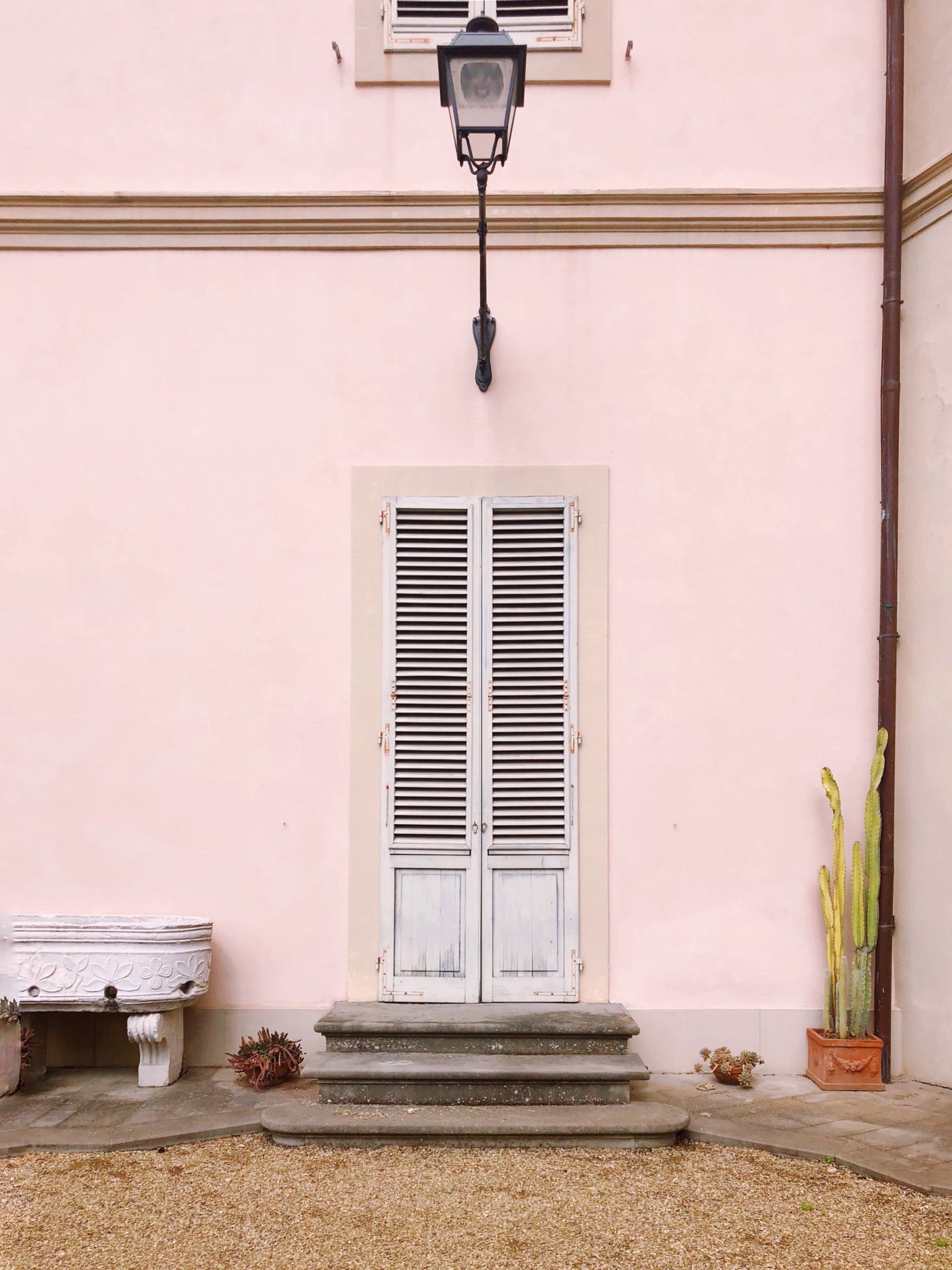
A small change in position can separate a subject from an awkward background without changing the subject itself.
View storyA brief boundary check catches partial objects and bright intrusions before they become the main surprise in a finished image.
View story
Open wall, pavement or sky can support a subject when its shape and amount are chosen deliberately.
View storyCompare how one unchanged light source describes an object as the object turns, keeping the arrangement simple.
View story
Decide which part of a high-contrast scene needs detail before adjusting exposure or changing position.
View storyA plain object and a nearby surface make shadow shape a visible part of the composition rather than a dark area to ignore.
View storyThree practical viewpoints show how camera height changes visible surfaces and the space around an ordinary subject.
View story
A vertical version needs its own boundaries and spacing rather than a rotated copy of the horizontal picture.
View storyA repeat visit becomes useful when you keep a few choices stable and identify the change you want to observe.
View storyCompare color settings with a plain reference while preserving the difference between a chosen mood and a color record.
View storyA window can show a scene and its reflection at once; choose which relationship the photograph needs to explain.
View storyA second visit can test whether changing light clarifies the subject, provided you keep the comparison specific.
View storyA limited overview helps you compare choices without giving every near-duplicate equal attention.
View storyBuild a pair from a visible relationship instead of placing two similar favorites beside each other.
View storyA reversible crop can clarify an image when you identify what should change and what must remain.
View storyCompare a level reference with the image's other lines before treating one tilted edge as a universal correction target.
View storyA clear naming and review pass keeps a selected sequence distinct from originals, working edits and accidental duplicates.
View storySeparate visible description, recorded context and interpretation so a small image does not acquire an invented story.
View storyCompare a clear view with one deliberate near edge, then decide whether the added layer earns its place.
View storyCompare the position and shape of a shadow while keeping the intended subject consistent between visits.
View story
Separate a meaningful surface detail from an editing effect by comparing the whole image and its intended output size.
View storyBuild a short sequence deliberately, then check that the delivered files preserve the order you chose.
View storyTry a shorter phrase or choose another topic.